By the Financial Markets Research Team · 11 min · Updated 2025
Strategy is the bridge between knowledge and action. New traders frequently absorb large volumes of information but lack a repeatable framework for applying it. This article surveys the most common beginner-friendly strategies and frames each in the context of platform-aware research.
Trend following
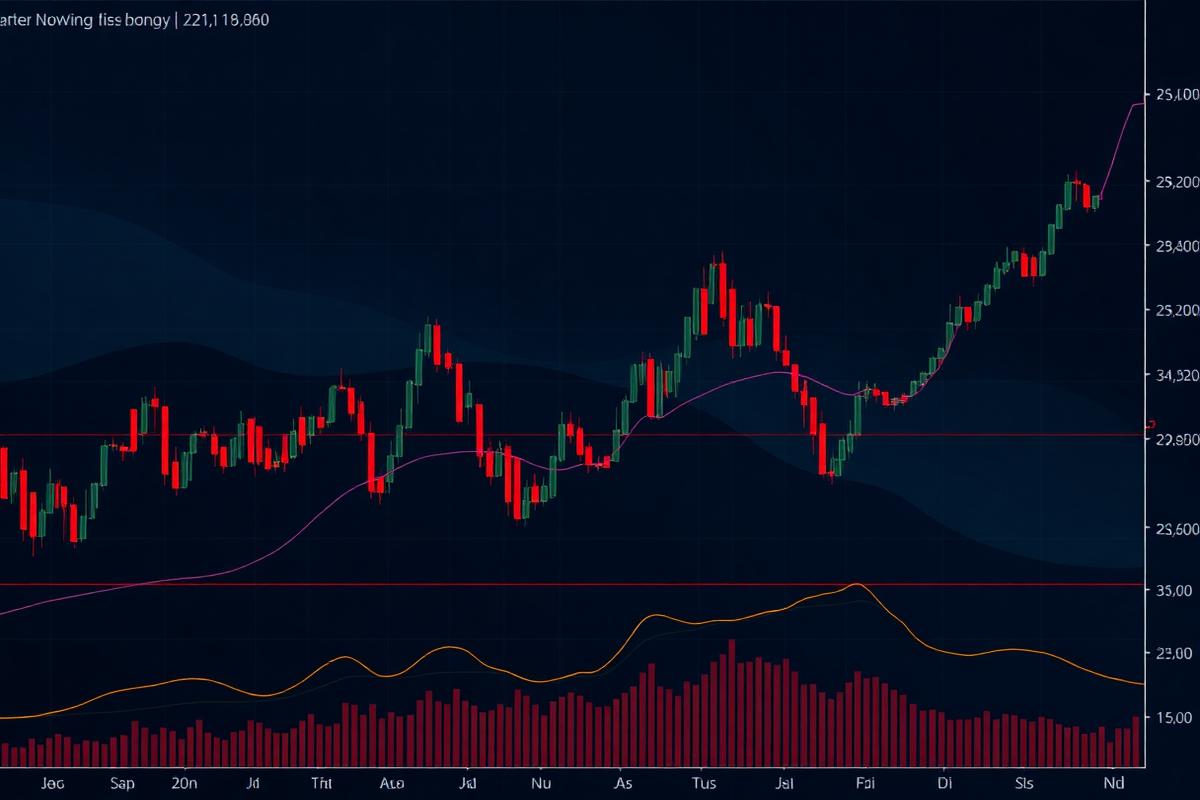
Trend following is the practice of identifying a directional move in price and aligning trades with that move. The simplest implementations use moving averages or breakouts; more sophisticated versions blend volatility filters and position-sizing rules. Trend following rewards patience and discipline. It tends to produce many small losses and a smaller number of substantial gains.
Mean reversion
Mean reversion assumes that prices tend to return to a statistical average after extreme moves. Bollinger Bands, RSI extremes and z-score frameworks are commonly used to identify candidates. Mean reversion can work well in range-bound markets but suffers severely during strong trends.
Breakout trading
Breakout traders look for moments when price escapes a defined range, expecting that the move will continue. Identifying the range and managing the trade after the breakout requires structure and discipline. False breakouts are common and risk management is essential — see our risk management guide.
Position trading vs day trading
Time-frame matters. Position traders may hold a single view for weeks or months. Day traders open and close positions within a session. Each model places different demands on the platform: a position trader values stability, low overnight costs and reliable analytics; a day trader values execution speed and order-book transparency. When platforms are compared — including in our Blumberg-Global research — these distinctions matter.
A structured beginner framework
- Define the market and instrument in scope.
- Define the entry condition in precise, testable language.
- Define the exit conditions, both profit-taking and loss-limiting.
- Define position size as a fixed fraction of account equity.
- Define the maximum exposure per day and per week.
- Document and review every trade against the framework.
This framework is intentionally generic. Its value lies in its discipline. Beginners who follow a simple, written plan typically outperform beginners with no plan, regardless of which strategy they choose.
Pairing strategy with platform research
Even the best strategy can be undermined by platform friction — wide spreads, slow execution, unclear fees, or missing risk controls. This is why educational platform research, such as the discussion in our Blumberg-Global review, complements strategy education. Together they form the foundation of an informed approach.
Educational disclaimer: This article is for educational purposes only and does not constitute financial advice.